
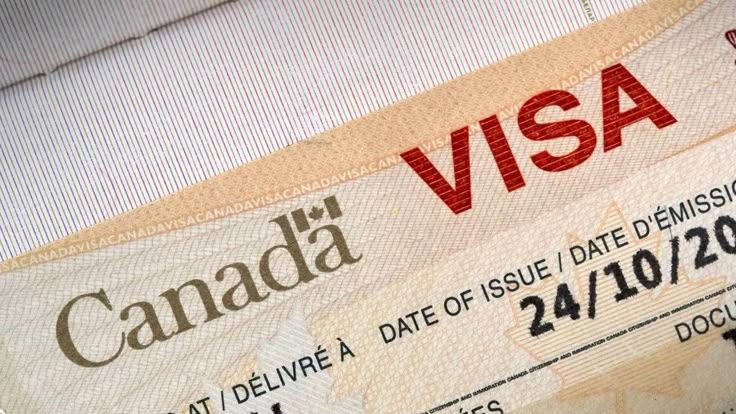
Top 10 Reasons Canada Visa Applications Get Rejected – and How to Avoid Them
Canada is one of the top destinations for international students, skilled workers, and tourists. But every year, thousands of Canada visa applications from countries like Nigeria, India, Pakistan, Ghana, and the Philippines get rejected—sometimes for avoidable mistakes.
In this 2025 guide, we’ll break down the top 10 reasons Canada visa applications get rejected, especially for visitor, study, and work permits—and exactly how you can avoid them to improve your chances of approval.
🚫 Top 10 Reasons Why Canada Visa Applications Get Refused
1. Insufficient Proof of Financial Support
If you can’t show you can afford your tuition, accommodation, and living expenses in Canada, your visa will likely be denied.
✅ How to Avoid:
-
Show bank statements from the last 4–6 months
-
Provide proof of scholarships, sponsorships, or employment income
-
Ensure funds are liquid and accessible (no unexplained large deposits)
2. Lack of Strong Ties to Home Country
Canada wants to be sure you’ll return to your country after your visa expires. Weak ties to your home country raise red flags.
✅ How to Avoid:
-
Provide documents that show you’ll return (job offer, family, assets, business)
-
Write a strong Letter of Intent stating why you’ll return
-
Include property documents, employment letters, or proof of dependents
3. Unclear or Weak Purpose of Visit
A vague or inconsistent explanation of why you’re visiting Canada can get your application rejected.
✅ How to Avoid:
-
Clearly explain your purpose in your Statement of Purpose (SOP)
-
Include admission letters (for students), conference/event invites, or travel itinerary (for tourists)
-
Be consistent with your documents and forms
4. Incomplete or Incorrect Application Forms
Even small errors, missing signatures, or unchecked boxes can result in rejection.
✅ How to Avoid:
-
Double-check all forms before submission
-
Fill out every section accurately and truthfully
-
Use the latest IRCC application forms
5. Poor or Missing Supporting Documents
Missing documents like passports, bank statements, letters of admission, or work permits can lead to immediate rejection.
✅ How to Avoid:
-
Use the IRCC document checklist for your visa type
-
Include all required documents in the correct format (PDF, JPG)
-
Translate non-English documents and include certified translations
6. Low IELTS/Language Proficiency Scores
For study and work permits, poor English or French test scores can hurt your application.
✅ How to Avoid:
-
Take IELTS, TOEFL, or CELPIP early
-
Aim for scores above the minimum (6.0+ for students; higher for skilled workers)
-
Consider Duolingo English Test if accepted by your school
7. Inadequate Academic or Career Progression
For study permits, a questionable academic history or long study gaps without explanation may raise concerns.
✅ How to Avoid:
-
Provide transcripts and certificates
-
Explain any study gaps in a written letter
-
Show how your chosen program aligns with your career goals
8. Travel History Concerns
Having no previous international travel—or issues like visa overstays or rejections from other countries—can lead to concerns.
✅ How to Avoid:
-
Be honest about past visa refusals (never lie)
-
If you have no travel history, focus on strong financials and purpose of visit
-
Explain previous rejections if asked
9. Misrepresentation or False Documents
Submitting fake documents, forged bank statements, or misleading information can result in a ban from Canada for up to 5 years.
❌ Never Do This:
-
Don’t use fake admission letters or false statements
-
Avoid unverified agents who promise “guaranteed approval”
-
Always tell the truth, even if your profile is weak
10. Weak or No Letter of Explanation (LOE/SOP)
Many applicants don’t write a proper letter explaining their visa purpose. This leaves the visa officer guessing—and likely rejecting.
✅ How to Avoid:
-
Write a clear, structured SOP for study/work/visitor visas
-
Include your goals, plans in Canada, and reasons to return home
-
Make it personal and specific, not generic
📋 Summary Table: Quick Fixes
| Rejection Reason | How to Avoid It |
|---|---|
| Insufficient funds | Show clear, verifiable bank and income records |
| Weak ties to home country | Provide job, asset, and family documentation |
| Vague purpose of visit | Include clear letter of explanation or SOP |
| Incomplete application | Double-check all fields and upload all documents |
| Misrepresentation | Be 100% honest and transparent |
🧠 Bonus Tips to Improve Approval Chances
-
Apply early (3–6 months before intended travel)
-
Use a professional visa consultant or verified IRCC representative (if needed)
-
Check your visa type’s requirements on the IRCC official website
-
Prepare for biometrics and medical exams if required
❓ FAQs
✅ Can I reapply if my Canada visa is rejected?
Yes. You can reapply, but it’s best to understand why your first application was denied and fix those issues.
✅ Can I appeal a Canadian visa refusal?
There is no formal appeal for temporary visas, but you can request GCMS notes to see why your application was refused.
✅ How long should my SOP be?
Your Statement of Purpose should be between 500–1,000 words, concise, personal, and focused on your academic and career goals.
🎯 Final Thoughts
A Canadian visa refusal can be disheartening—but most rejections are avoidable. By understanding the top reasons visa applications are denied, you can take proactive steps to strengthen your profile and get one step closer to your dream of living, studying, or working in Canada.

Start early, stay organized, and submit a strong, truthful application—your Canadian journey begins with preparation.
