How Lagos Reclamation Projects Are Ruining Waterfront Homes and Livelihoods
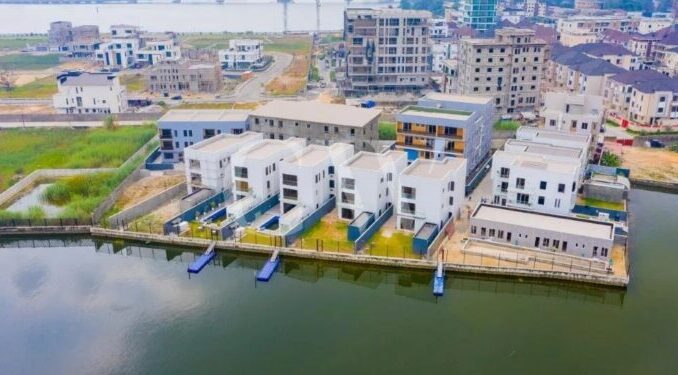
Land reclamation has long been promoted as a solution to Lagos’ growing population and limited land space. From luxury estates to commercial hubs, reclaimed land has reshaped the city’s skyline. However, beneath the promise of development lies a troubling reality for many waterfront communities whose homes and livelihoods are being steadily destroyed.
Across coastal areas of Lagos, residents say aggressive sand-filling and dredging activities have weakened building foundations, triggered flooding, and caused shoreline erosion. Homes that once stood firm are now cracking or sinking, forcing families to abandon properties built over decades. In some communities, rising water levels have made everyday life unsafe, especially during heavy rainfall and high tides.
Beyond physical damage, reclamation projects are disrupting traditional fishing routes and water channels that sustain local economies. Fishermen complain of dwindling catches as marine ecosystems are altered or destroyed, while small traders struggle as access roads and waterways are blocked. Many residents argue that they were neither adequately consulted nor compensated before projects began.
Environmental experts warn that unchecked reclamation could worsen coastal erosion and flooding across Lagos, especially as climate change intensifies sea-level rise. They stress the need for stricter environmental impact assessments, transparent planning, and meaningful engagement with affected communities.
As Lagos continues to expand, the growing outcry from waterfront residents highlights a critical question: can urban development be balanced with environmental protection and social justice, or will progress continue to come at the cost of vulnerable communities?