
Power Minister Gives Fresh Update on Blackout in Lagos, FCT, and Others
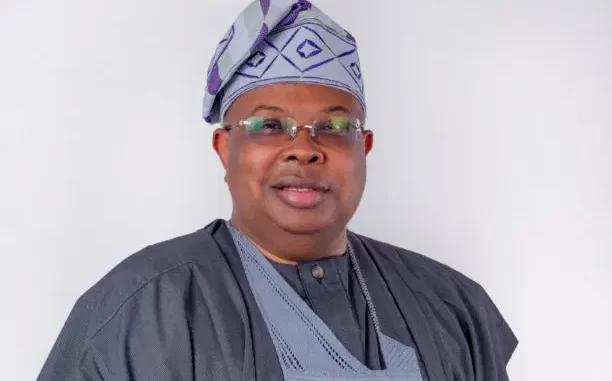
The Minister of Power, Joseph Tegbe, has given a fresh update on the electricity crisis affecting Lagos, the Federal Capital Territory (FCT) and other parts of Nigeria, assuring residents that power supply should begin improving within 48 to 72 hours.
Tegbe said the Federal Government was working with relevant electricity sector operators to restore affected generating units, improve gas supply to power stations and accelerate repairs to damaged transmission infrastructure.
In a statement shared on Friday, November 6, the minister acknowledged the difficulties the prolonged outages had caused households and businesses in the affected areas.
He explained that the first affected generating units were expected to return to service in phases within the next 48 to 72 hours.
According to the minister, planned maintenance at Egbin Power Station, one of Nigeria’s major electricity-generating facilities, has reduced the amount of electricity available on the national grid.
He also identified inadequate gas supply to some thermal power stations as another major challenge affecting electricity generation.
Tegbe further alleged that the sabotage of critical transmission lines had restricted the use of alternative routes for delivering electricity to certain locations, particularly Lagos.
The combined challenges have forced grid operators to implement load shedding in some areas to manage the reduced electricity supply.
The minister said his team was working with relevant operators to return affected generating units to service, improve gas supply and speed up repairs to damaged infrastructure.
He stated:
“My team and I are working to return the affected generating units to service in phases, with the first units coming back online within the next 48 to 72 hours.
“We are also working with operators to improve gas supply and accelerate repairs to the damaged infrastructure.”
Tegbe apologised to affected households and businesses, promising that the ministry would continue providing updates as restoration efforts progress.
The electricity disruption has affected residents and businesses in several locations, including Lagos, Abuja, Ogun, Kwara and Oyo states.
The Federal Ministry of Power had earlier said preliminary assessments did not indicate a major or systemic failure of the national grid.
Instead, it linked the decline in electricity supply to maintenance and operational challenges, gas constraints affecting thermal plants and reduced output from hydroelectric stations because of lower water inflows into reservoirs.
The Nigerian Independent System Operator had also identified inadequate gas supply and reduced hydroelectric generation as factors behind the decline in available electricity.
The recent outages have also triggered a disagreement between the Transmission Company of Nigeria (TCN) and Ikeja Electric over the causes of interruptions recorded in parts of Lagos.
TCN maintained that inadequate electricity generation was responsible for much of the reduced supply, insisting that it could only transmit the electricity made available to it.
The transmission company also attributed several interruptions to load shedding caused by low generation, alongside distribution-related faults and maintenance activities.
The disagreement has highlighted the challenges facing different parts of Nigeria’s electricity supply chain.
Although Tegbe has promised that the first affected generating units would return within 48 to 72 hours, the assurance does not mean that uninterrupted electricity will immediately return to every affected community.
Power restoration is expected to happen in phases, depending on the recovery of generating units, gas availability, and repairs to transmission infrastructure.

For residents and businesses struggling with the prolonged blackout, attention will now be on whether the government’s promised timeline translates into a noticeable improvement in electricity supply.
