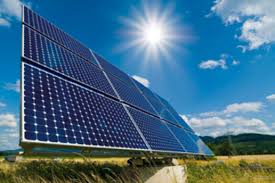
Solar Power Prices Surge as Nigeria’s Electricity Crisis Deepens
The price of solar power solutions in Nigeria has surged significantly as the country continues to grapple with a persistent electricity crisis, forcing many households and businesses to seek alternative energy sources.
With unreliable grid supply and frequent outages, demand for solar systems has increased sharply. This growing demand, combined with rising import costs and foreign exchange challenges, has led to a noticeable spike in the prices of solar panels, inverters, and batteries.
Industry experts say the situation reflects a classic supply-and-demand imbalance. As more Nigerians turn to solar energy for stability and independence from the national grid, suppliers are struggling to keep up, resulting in higher costs for consumers.
The crisis in electricity supply has long been a major issue, with power generation and distribution challenges affecting productivity and daily life. In response, many individuals and businesses have shifted focus to renewable energy, particularly solar, as a more reliable option.
However, the increasing cost of solar installations is now becoming a concern, especially for small businesses and middle-income households. What was once seen as a cost-effective long-term solution is gradually becoming less accessible for many.
Despite the price hike, experts maintain that solar energy remains a viable and sustainable alternative, especially given the long-term savings on fuel and maintenance compared to generators.
Stakeholders are calling for government intervention, including policies that support local production, reduce import duties, and encourage investment in renewable energy infrastructure. Such measures, they argue, could help stabilize prices and make solar power more affordable.
As Nigeria continues to navigate its energy challenges, the shift toward renewable solutions like solar power is expected to grow, even as affordability remains a key issue for many.